Product Teams Weigh AI Benefits With Four-Question Audit
A four-question audit helps product teams decide where AI earns its place, considering user effort and task requirements. This approach ensures AI features add value, not extra work.
Original reporting · smashingmagazine.com
Original: “Should You Actually Add AI To That? A Four-Question Audit For Product Teams”
Read “Should You Actually Add AI To That? A Four-Question Audit For Product Teams” at Smashing Magazine →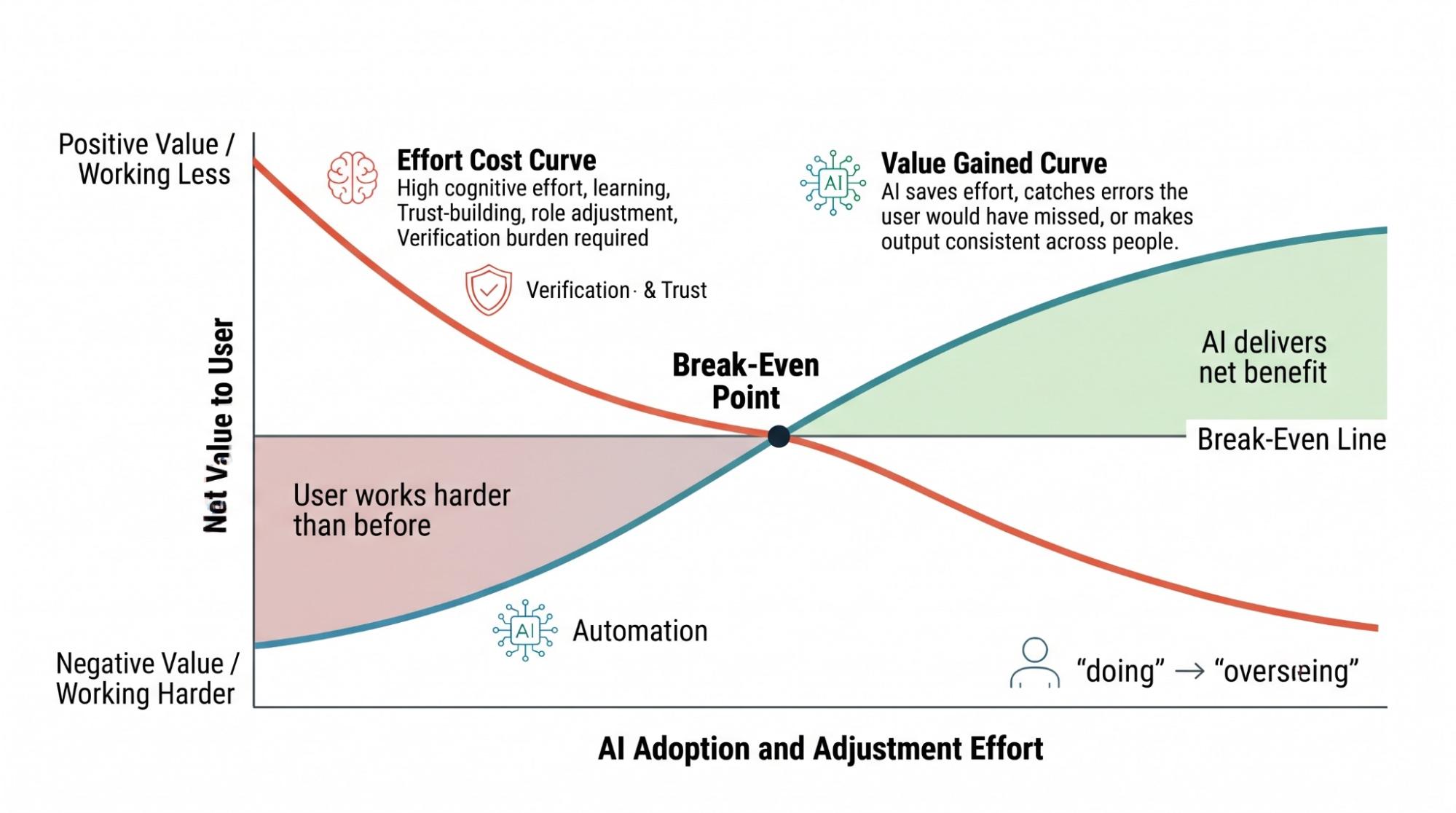
How this was written. CTCV wrote this article with a language model from Smashing Magazine’s reporting (model: @cf/meta/llama-3.3-70b-instruct-fp8-fast); it describes that reporting rather than adding to it. The original, linked above, is the full story.
Key points from Smashing Magazine’s report
- A four-question audit can help product teams determine whether an AI feature adds value or extra work for users.
- The audit considers user effort and task requirements to ensure AI features provide net benefits.
- AI features earn their place when returns outweigh the costs of user adjustment, considering effort removed, errors caught, and consistency across users.
- The four questions can help teams design AI features that truly benefit users, rather than adding unnecessary work or complexity.
- Input from users who perform the task is essential to determining whether an AI feature will help or add work.
Product teams considering AI additions face a crucial decision: does the technology truly benefit users or add unnecessary work? According to Smashing Magazine, a practical audit can help teams make this determination. The audit involves evaluating the AI feature's impact on user effort and task requirements.
A real-world example illustrates the importance of this audit. A product team at a large health insurer attempted to add AI that writes full written determinations for benefits appeals specialists. Although the technology worked as specified, specialists stopped using it or took longer to complete cases due to the need for careful review and mistake-checking.
The issue was resolved by rescoping the release to surface relevant policy provisions and prior decisions, leaving the writing to the specialist. This change reduced review time and allowed specialists to focus on their strengths. The technology remained the same, but the difference lay in which part of the task the AI handled.
Every interface change, including AI additions, costs users something before providing benefits. Users must rebuild their understanding of the tool, learn new locations, and decide how much to trust AI outputs. This process draws on limited working memory, making it essential to carefully consider AI's role.
An AI feature earns its place when its returns outweigh the costs of user adjustment. Returns can take three forms: effort removed, errors caught, and consistency across users. For instance, an AI-powered fraud screening tool shows the value of error-catching, as analysts review flags they would have otherwise missed.
To locate the break-even line, product teams can ask four questions. These questions help identify design conditions that can inform the brief and ensure the AI feature provides net value to users. The questions should be considered together, with input from users who perform the task, to determine whether the feature will help or add work.
The four questions include: Does this reduce the total effort the task takes for this user? Does this beat the way the user does the task now? The answers to these questions can help teams design AI features that truly benefit users, rather than adding unnecessary work or complexity.
Questions and answers
What is the purpose of the four-question audit?
The four-question audit helps product teams decide where AI earns its place and what users need to verify its output, ensuring AI features add value, not extra work.
How do AI features earn their place?
AI features earn their place when their returns outweigh the costs of user adjustment, considering effort removed, errors caught, and consistency across users.
Why is input from users who perform the task important?
Input from users who perform the task is essential to determining whether an AI feature will help or add work, as it provides valuable insights into the task requirements and user effort.