NFL Maintains Super Bowl Ad Ban On Prediction Markets
The NFL is sticking with its prediction market ad ban for the Super Bowl, forcing platforms to get creative with marketing strategies. This move may impact the growth of prediction markets.
Original reporting · adexchanger.com
Original: “The Super Bowl’s Prediction Market Ad Ban Stands; Retailers Aren’t Open To AI”
Read “The Super Bowl’s Prediction Market Ad Ban Stands; Retailers Aren’t Open To AI” at AdExchanger →
How this was written. CTCV wrote this article with a language model from AdExchanger’s reporting (model: @cf/meta/llama-3.3-70b-instruct-fp8-fast); it describes that reporting rather than adding to it. The original, linked above, is the full story.
Key points from AdExchanger’s report
- The NFL is maintaining its ban on prediction market ads for the Super Bowl, forcing platforms to get creative with marketing strategies.
- Retailers are not yet embracing agentic shopping, with companies such as Amazon and United Airlines resisting the use of AI agents.
- Marketers face challenges on YouTube, where they must navigate a complex landscape of content options and targeting strategies.
The NFL is maintaining its ban on prediction market ads for the upcoming Super Bowl, according to Adweek. This decision may hinder the growth of prediction markets, which had seen the Super Bowl as a key opportunity to reach a large audience. The ban was first implemented for last season's Super Bowl and has been clarified to include sportsbook marketing partners.
The NFL's sportsbook marketing partners, including DraftKings, FanDuel, and Fanatics, are not allowed to promote their own prediction market offerings during NFL games. This restriction may give an advantage to other forms of sports betting, which have been more widely accepted by the NFL. Prediction markets will need to find alternative marketing strategies to reach their target audience.
Despite the ban, prediction markets may still be able to partner with creators and celebrities or pursue live activations in the Los Angeles area, where the Super Bowl will take place. These alternative strategies may help prediction markets to still reach a significant audience, albeit in a more indirect way. The NFL's ban may also lead to increased competition between prediction markets and sports betting apps.
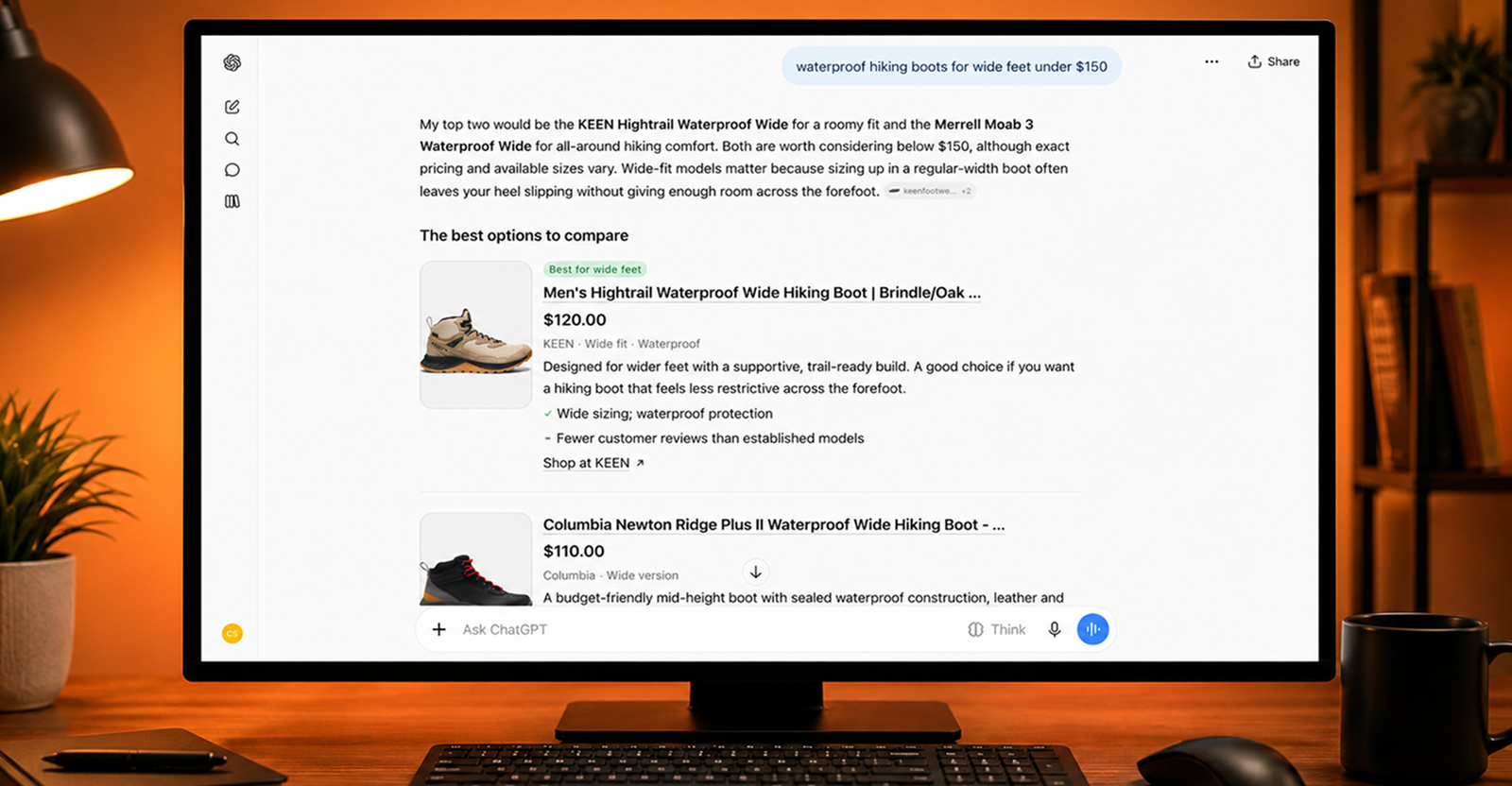
In related news, retailers are not yet embracing agentic shopping, which involves the use of AI agents to assist with shopping. According to CEO Mark Zuckerberg, over 10 million people in the US and Canada have set up their own Muse agent, but retailers such as Amazon are blocking the service. This resistance may hinder the growth of agentic shopping, which is seen as a potential future trend.
Amazon is blocking Muse to keep shoppers within its own recommendation and discovery channels, as having an agent do the shopping could reduce ad revenue. United Airlines has also announced that AI bots will be prohibited from booking flights, citing data privacy concerns and potential violations of federal rules. These decisions may indicate a broader reluctance among companies to adopt agentic shopping.
The use of AI agents in shopping is not the only area where marketers are facing challenges. On YouTube, marketers have a wide range of content to choose from, including high-production-value video, low-rent creator content, and highly produced content from big-name creator channels. According to TVision, creator channels tend to have the widest reach, but professional content drives deeper engagement. However, professionally produced large creator channels may drive lower engagement than niche channels.
Marketers could use third-party insights to curate their own YouTube inventory, but targeting specific creator channels via Google Ads can be a convoluted process. This complexity may make it difficult for marketers to effectively reach their target audience on YouTube. As the marketing landscape continues to evolve, companies will need to adapt to these changes in order to remain effective. This article is based on reporting by AdExchanger.
Questions and answers
Why is the NFL banning prediction market ads?
The NFL is sticking with its prediction market ad ban, which was first implemented for last season's Super Bowl, but the exact reason is not specified.
What is agentic shopping?
Agentic shopping involves the use of AI agents to assist with shopping, but retailers such as Amazon are blocking the service.
How can marketers effectively target their audience on YouTube?
Marketers could use third-party insights to curate their own YouTube inventory, but targeting specific creator channels via Google Ads can be a convoluted process.